

AN ENVIRONMENTALLY FRIENDLY URANIUM MINING PROJECT
Uranium mining project is ready to play a role in driving economic growth, fostering job creation, and ensuring sustainable development for future generations
ABOUT HEADSPRING INVESTMENTS (PTY) LTD
Headspring Investments is the Namibian operating company of Uranium One Group.
Uranium One Group is an international group of companies, owned by Rosatom State Atomic Energy Corporation. It is one of the world’s largest uranium mining companies with a diverse portfolio of assets worldwide, including in Kazakhstan, Tanzania, and Namibia.
Wings Project
HEADSPRING INVESTMENTS IS EAGER TO BECOME A FULLY-FLEDGED MEMBER OF NAMIBIAN SOCIETY AND TO BE A ROLE PLAYER OF NOTE IN THE COUNTRY’S ECONOMY
Uranium One Group, through its Namibian affiliate company Headspring Investments, has been exploring uranium in the Omaheke region. The exploration started in 2011, beginning with desk research. In 2012, exploration drilling commenced, but in 2013, operations were suspended due to a moratorium on uranium exploration.
After the moratorium was lifted, exploration resumed with geophysical and geochemical surveys conducted in 2016-2017. In 2018, additional exploration drilling and metallurgical test studies of core with uranium mineralization were performed.
From 2019-2021, exploration drilling continued, leading to the discovery of a rich uranium ore body in the Omaheke region, with about 150 Namibians provided with jobs during this phase. It is estimated that the discovered sandstone-type uranium deposit, which is considered suitable for In-Situ Recovery (ISR), could yield 3,000 tons of uranium per year with a life of mine of at least 25 years.
Further water sampling was carried out from 2020-2021. However, in 2021, drilling permits were revoked, leading to the shutdown of operations when less than 60% of the planned exploration drilling had been completed.
Currently, the project is in the pre-feasibility study stage (exploration) and preparations for a pilot test are underway. The pilot site is technically ready for testing, with wells drilled and equipment installed. The start of the pilot test is subject to approval by Namibian regulators.
About ISR method
In-Situ Recovery (ISR) mining, also referred to as In-Situ Leaching (ISL), is a highly developed mining technique in which uranium is mobilized from the permeable sandstone formations using either industrial oxygen or a very low concentration of acid or alkaline solution.
Leaching solutions are circulated through the ore bearing formation by a system of patterned boreholes. Uranium minerals are dissolved and uranium bearing solution is pumped out to the surface for further processing to recover uranium. Once the uranium is fully recovered, the ground water is restored to the initially characterized ground water chemistry before uranium recovery operations began.

ENVIRONMENTAL SAFETY OF THE ISR METHOD
After ISR mining operations are completed, the quality of the remaining groundwater is restored to a baseline standard determined as part of an environmental impact assessment and approval before the start of the operation. Upon decommissioning, wells are sealed or capped, process facilities removed, and the land can then revert to its previous uses.

ASK A QUESTION
We are open to dialogue and continue consultations with all interested and affected parties to clarify any issues related to the project to achieve mutual understanding.

Social projects
Even though our Project is in the preparatory stage, Uranium One Group and Headspring Investments have focused on Corporate Social Responsibility (CSR) activities from the earliest stages of the Project.


News
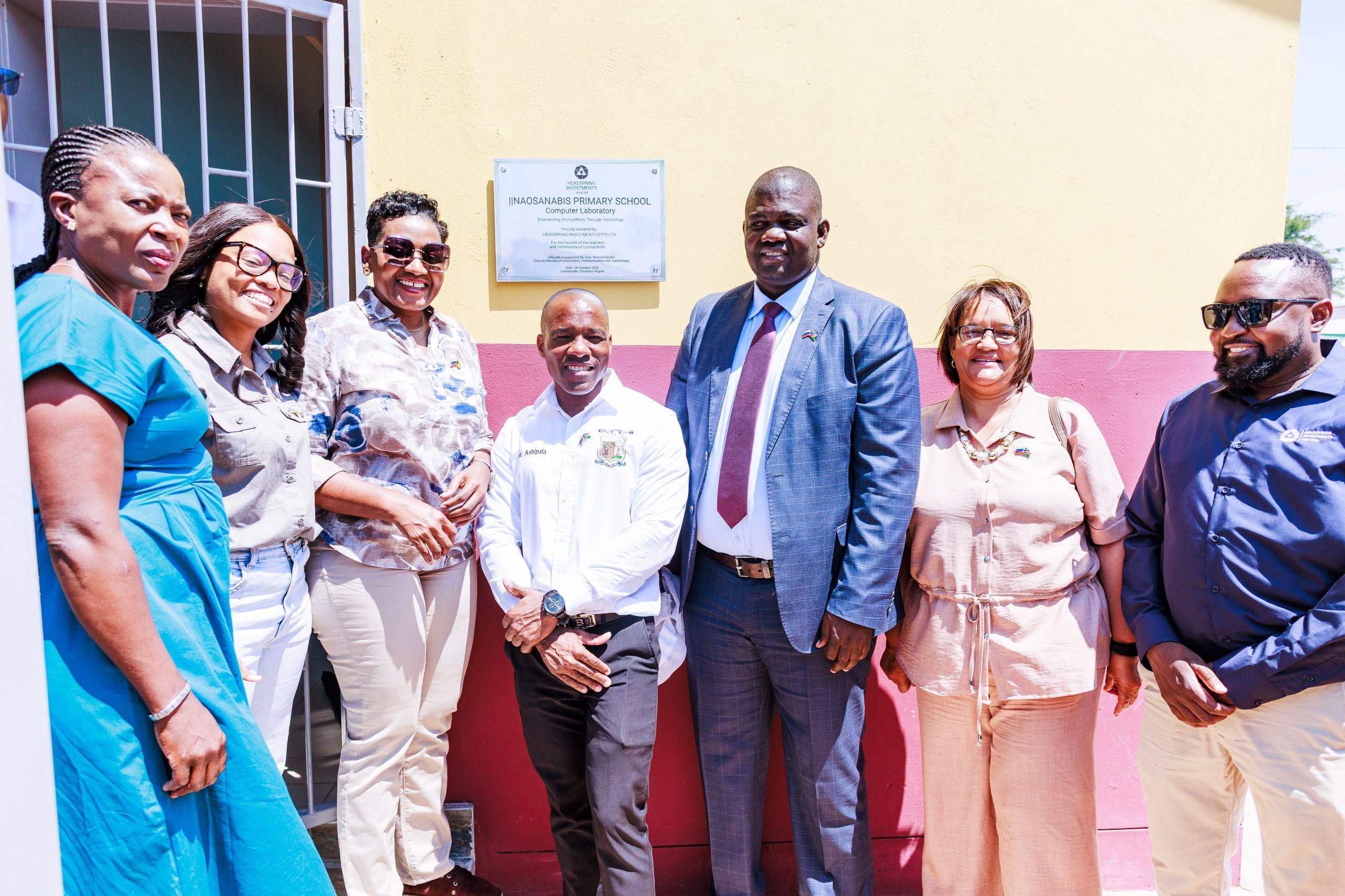
Headspring Investments Inaugurates Modern Library and Computer Laboratory at //Naosanabis Primary School in Leonardville
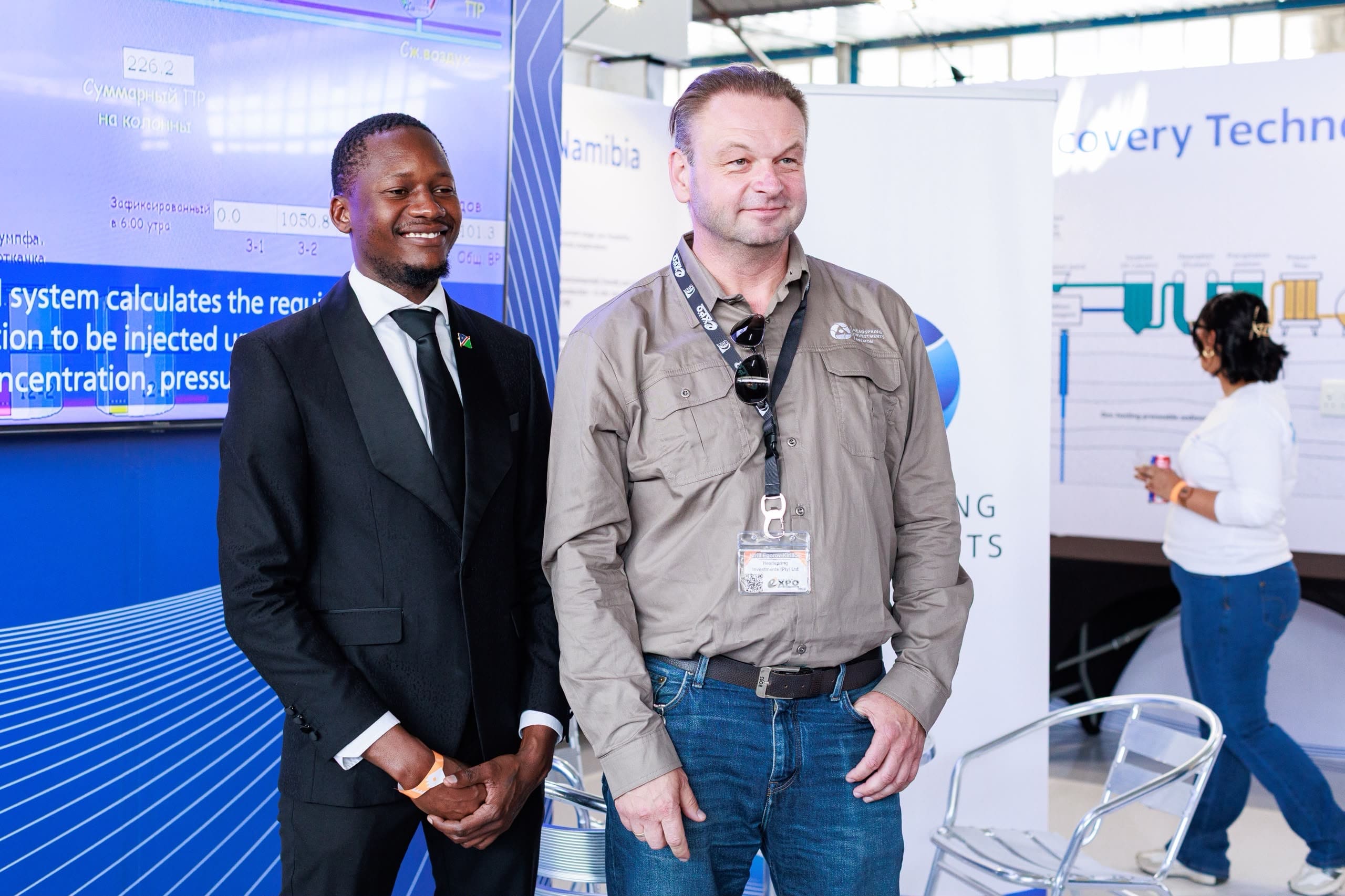
Headspring investments showcases responsible mining and sustainable development at the 2026 mining expo and conference
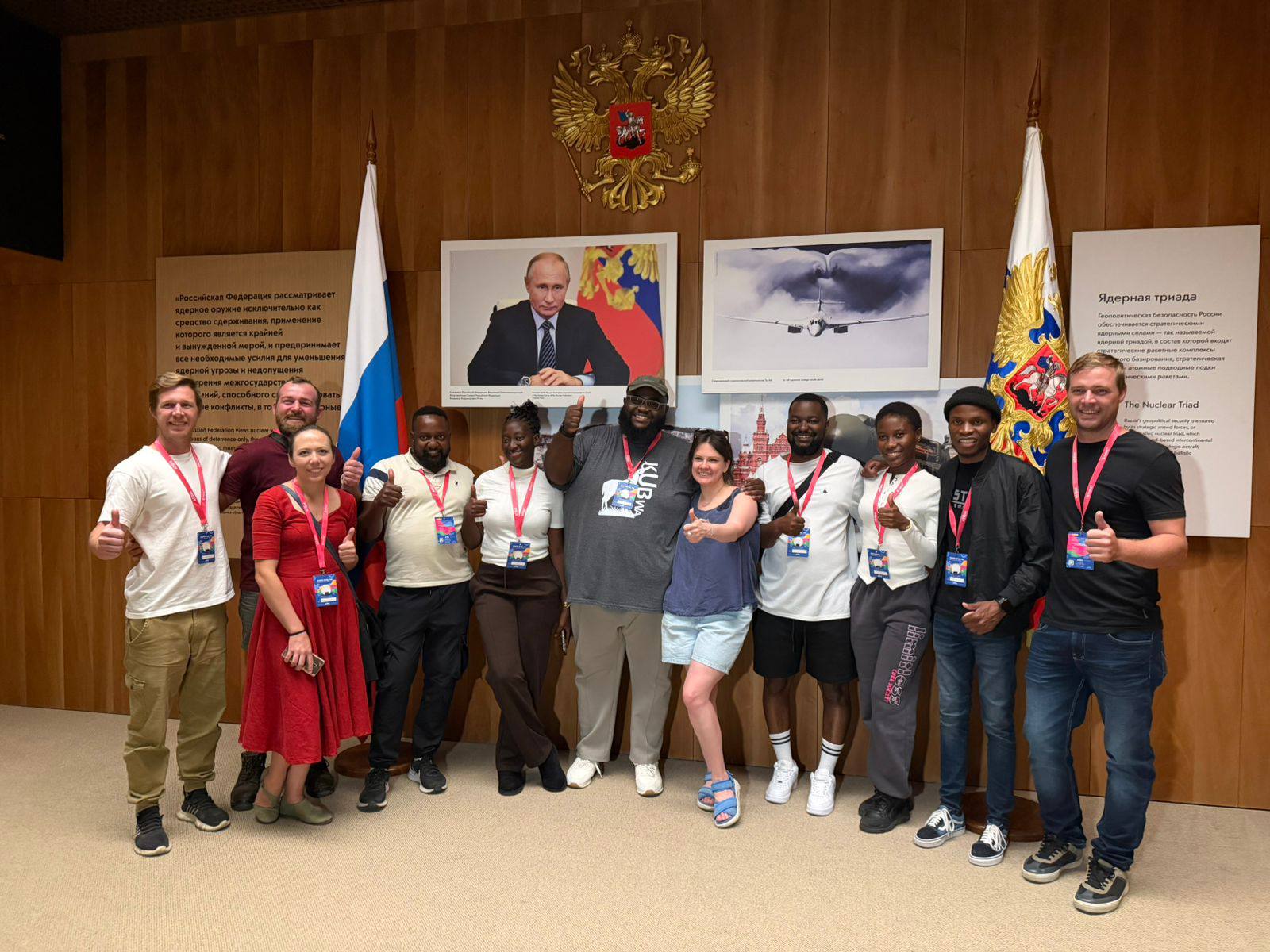
Headspring Investments Organises Familiarisation Visit to Russia’s Dalur Uranium Mine for Namibian Delegation

Regarding systematic dissemination of false and misleading information

Headspring Investments showcases uranium project at Russia-Namibia Business Forum

Headspring Investments is open to IAEA recommendations for further uranium exploration in Namibia

Bringing Essential Healthcare Directly to the Community

Water safety first – how modern ISR mining safeguards the aquifers

Demistifying In-situ Recovery (ISR) Uranium Mining

SCIENCE EVIDENCE MUST GUIDE URANIUM ONE PROJECT

Icebreaker of Knowledge: Breaking Ice & Boundaries

Headspring Investments Showcases Project Wings at Record-Breaking Namibian Mining Expo, Rosatom Celebrates 80 Years of Russian Nuclear Legacy

Greening Tomorrow: Headspring Investments Champions National Tree Planting in Honour of H.E. Dr. Sam Nujoma

Enlit Africa-2025: Eco-Friendly Uranium Extraction and Energy Solutions for Africa

Rosatom Successfully Commences Uranium Production at a new Deposit Using Eco-Friendly ISR Method

ISR Excellence: How Dalur JSC Is Rewriting the Rules of Green Mining
Headspring Investments is open to IAEA recommendations for further uranium exploration in Namibia
Water safety first – how modern ISR mining safeguards the aquifers
Demistifying In-situ Recovery (ISR) Uranium Mining
SCIENCE EVIDENCE MUST GUIDE URANIUM ONE PROJECT
Icebreaker of Knowledge: Breaking Ice & Boundaries
Enlit Africa-2025: Eco-Friendly Uranium Extraction and Energy Solutions for Africa
Rosatom Successfully Commences Uranium Production at a new Deposit Using Eco-Friendly ISR Method
ISR Excellence: How Dalur JSC Is Rewriting the Rules of Green Mining


Headspring Investments addressing hunger and malnutrition in the Omaheke Region

Twenty young people given an opportunity to spread their wings

NIMT and Headspring Investments pen agreement to train twenty artisans

Headspring Investments agrees with international scientists

Results after 55 golfers braved cold and windy conditions to be crowned National Champion

Headspring Investment and National Sages Golf in partnership

Primary school children are assured of a nutritious meal
Headspring Investments Inaugurates Modern Library and Computer Laboratory at //Naosanabis Primary School in Leonardville
Headspring investments showcases responsible mining and sustainable development at the 2026 mining expo and conference
Headspring Investments Organises Familiarisation Visit to Russia’s Dalur Uranium Mine for Namibian Delegation
Headspring Investments showcases uranium project at Russia-Namibia Business Forum
Bringing Essential Healthcare Directly to the Community
Headspring Investments Showcases Project Wings at Record-Breaking Namibian Mining Expo, Rosatom Celebrates 80 Years of Russian Nuclear Legacy
Greening Tomorrow: Headspring Investments Champions National Tree Planting in Honour of H.E. Dr. Sam Nujoma
